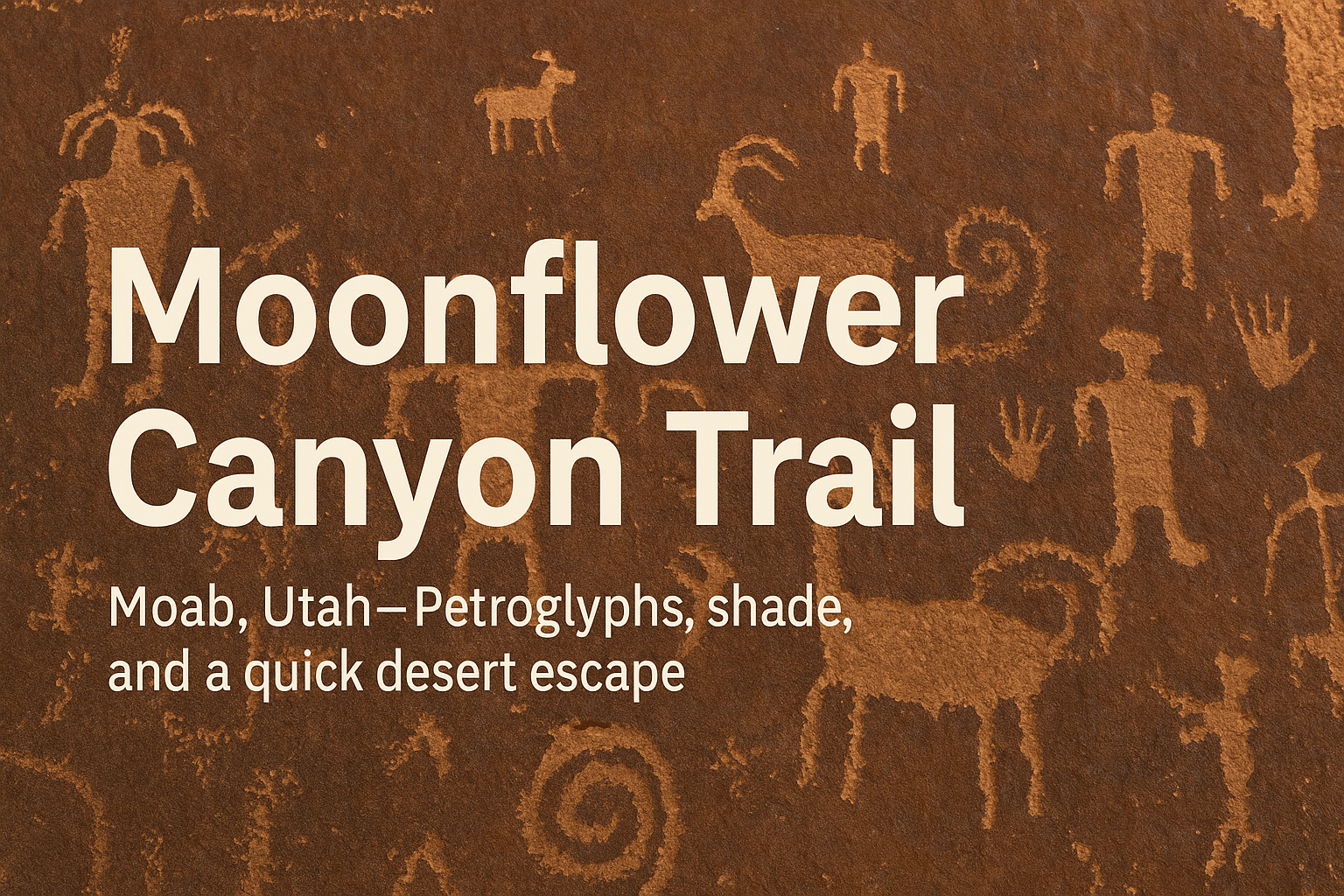
Hike the Moonflower Canyon Trail
Moonflower Canyon trail is one of those rare places where history, nature, and convenience come together. Just minutes from downtown Moab, this short and easy trail leads into a canyon alcove lined with cottonwoods and marked by ancient petroglyphs. Over the years, I’ve hiked this trail many times—sometimes on my own for a quiet reset, other times to introduce friends to a side of Moab that’s easy to miss if you only stick to the national parks.
If you’re looking for a hike that’s simple but meaningful, the Moonflower Canyon trail belongs on your list.
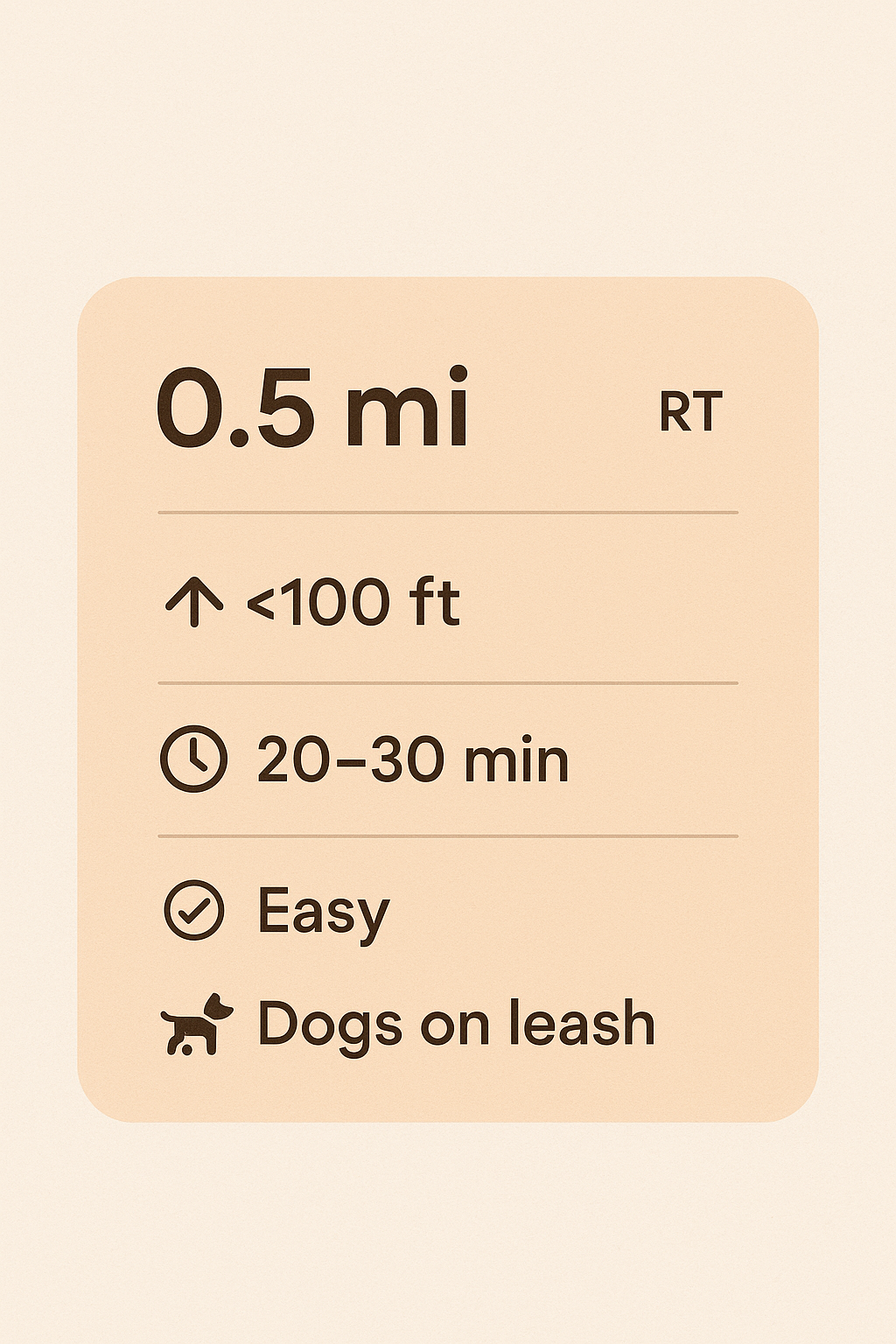
Quick Facts: Moonflower Canyon Trail
-
Location: Kane Creek Boulevard, 3 miles from downtown Moab
-
GPS Coordinates: 38.5640° N, 109.5854° W
-
Trail Length: 0.5 miles round trip
-
Elevation Gain: Less than 100 feet
-
Hiking Time: 20–30 minutes (more if you linger)
-
Difficulty: Easy
-
Trail Type: Out and back
-
Best For: Families, history lovers, quick hikes, photography
-
Highlights: Ancient petroglyphs, shaded canyon, nearby campground
Not every hike in Moab needs to be a leg-burner. Moonflower Canyon is proof of that. In just a few minutes, you can step off the road and into a place that feels worlds away.
Here’s why it’s worth your time:
-
Cultural Significance: The petroglyphs etched into the rock face are hundreds of years old, offering a direct connection to the ancestral Puebloan people.
-
Family-Friendly: It’s one of the most accessible trails in the Moab area, perfect for young kids and older travelers.
-
Shady Escape: In summer, the cottonwoods and canyon walls provide natural shade.
-
Convenience: Located less than 10 minutes from Main Street Moab, it’s an easy detour even if you’re on a tight schedule.
Getting to the Trailhead
From downtown Moab:
-
Head south on Main Street (US-191).
-
Turn right on Kane Creek Boulevard.
-
Follow Kane Creek Road for about 3 miles.
-
Look for the Moonflower Canyon Campground sign on the right.
-
Park in the small day-use lot just before the campground.
🚗 Driving Time: Approximately 8 minutes from downtown Moab.
⚠️ Parking Tip: The lot is small. Do not block campground access—cars have been ticketed and even towed.
On the Trail
The trail begins on a flat dirt path leading into a narrow canyon shaded by cottonwood trees. Within just a couple of minutes, you’ll arrive at the canyon alcove where petroglyphs are carved high into the rock face.
Take your time here. Look carefully and you’ll spot figures, animals, and other symbols weathered into the sandstone. Bring binoculars or a zoom lens for a closer view—you cannot climb to them without damaging the site.
Beyond the alcove, the trail continues briefly into the canyon before ending in a quiet grove. Many people stop here to sit, reflect, or take photos. In spring and fall, the canyon walls glow with filtered golden light.
Cultural and Historical Significance
The Moonflower Canyon petroglyphs are considered sacred cultural artifacts. They were likely created by ancestral Puebloan people who lived in this region centuries ago. For modern Indigenous communities, these images remain deeply significant.
Respect the site:
-
Never touch or trace the petroglyphs.
-
Do not attempt to climb up to them.
-
Stay on designated paths to protect surrounding soil and plants.
Camping at Moonflower Canyon
A small BLM campground sits at the trailhead, making this a convenient place to spend the night if you want to be close to Moab without staying in town.
-
Sites: 8
-
Amenities: Picnic tables, fire rings, vault toilet
-
Fee: $20 per night (first-come, first-served)
-
Season: Open year-round, though busiest in spring and fall
Pro Tip: Sites fill quickly, especially on weekends. Have a backup plan if you arrive late in the day.
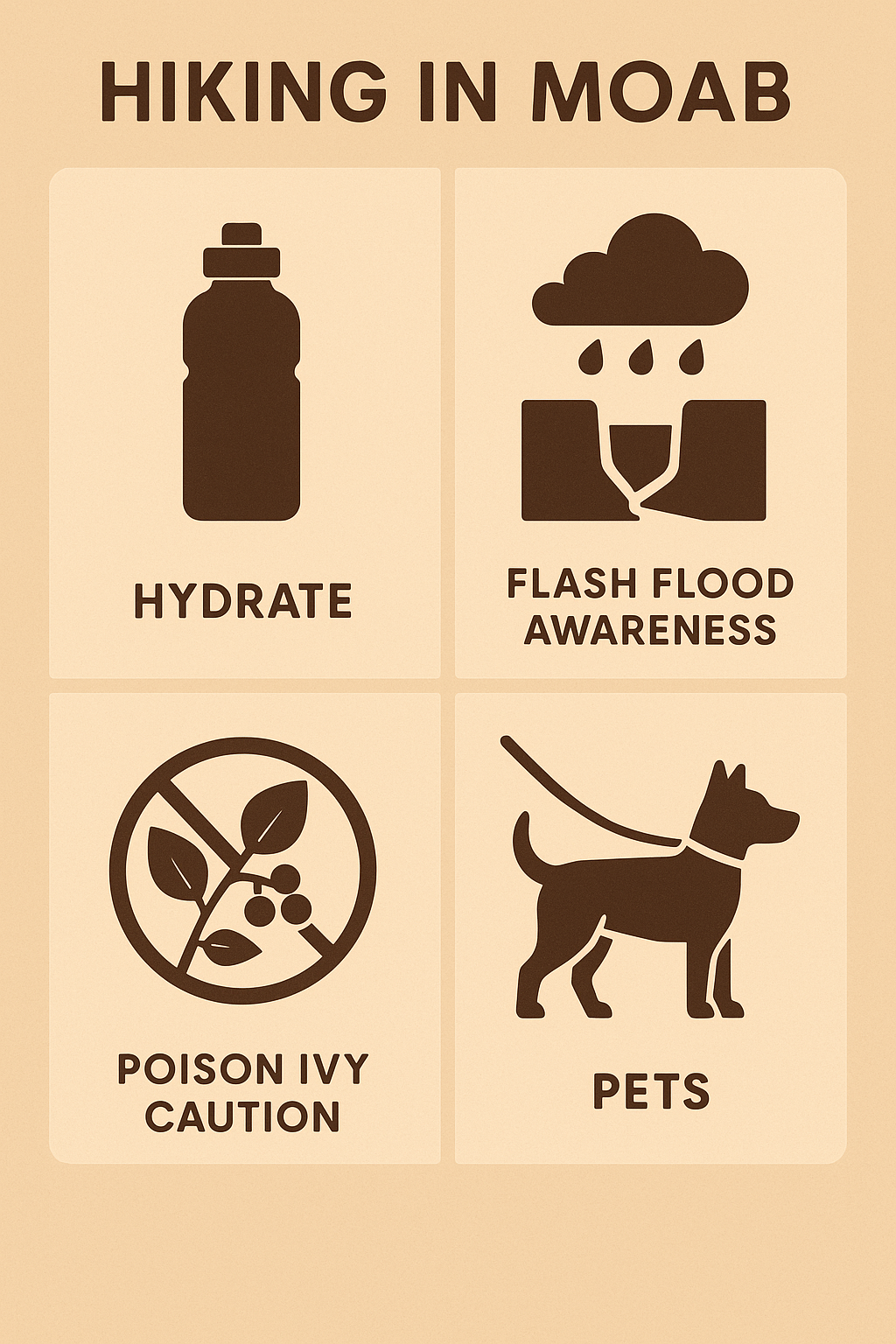
Safety and Leave No Trace
Even though this is an easy hike, there are still desert-specific hazards to know about.
⚠️ Safety Callouts
-
Heat & Hydration: Bring water—even for short hikes. Summer temps can soar.
-
Flash Flood Risk: Kane Creek and nearby drainages can flood during storms. Avoid canyon hikes when rain is in the forecast.
-
Poison Ivy: Watch for ivy near shady, damp areas.
-
Parking Hazards: Do not park illegally near the campground entrance.
♻️ Leave No Trace
-
Stay on the established path.
-
Pack out all trash.
-
Keep pets leashed and clean up after them.
-
Treat petroglyphs with respect: look, but don’t touch.
Best Time to Visit
Moonflower Canyon is accessible year-round, each season offering something different.
-
Spring (March–May): Mild temperatures, green cottonwoods, and flowing creek.
-
Summer (June–August): Go early morning or evening for shade; midday is hot.
-
Fall (September–November): Golden foliage makes the canyon especially photogenic.
-
Winter (December–February): Quiet, peaceful, and often empty.
FAQs Moonflower Canyon Trail
Is Moonflower Canyon trail kid-friendly?
Yes. The trail is short, shaded, and easy for children, though keep them away from the petroglyph wall.
Can I camp at Moonflower Canyon?
Yes. The BLM manages 8 first-come, first-served sites at the trailhead.
Do I need a permit to hike here?
No hiking permit is required. A camping fee applies if you stay overnight.
Are dogs allowed?
Yes, but they must be leashed. Clean up after your pet.
Can I see the petroglyphs up close?
No. They are high on the wall and must not be touched or climbed to. Bring binoculars or a camera with zoom.
Local Pro Tips
-
Visit at sunrise or sunset for the best photography light.
-
Pair this hike with nearby Hunter Canyon Rim Trail or Amasa Back Trail for a longer adventure.
-
After your hike, head back into town and grab a burger or shake at Milt’s Stop & Eat, a Moab classic.
-
Download an offline map before you go. Cell service in Kane Creek is limited.
Moonflower Canyon vs Other Short Moab Trails
-
Moonflower Canyon: Best for petroglyphs, history, and quick access.
-
Corona Arch: A longer (3 miles round trip) hike to one of Moab’s most impressive arches.
-
Long Bow Arch: Combines a moderate hike with rock art and sweeping views.
-
Grandstaff Canyon: A lush 4-mile canyon hike leading to Morning Glory Arch.
If you’re short on time, Moonflower is the fastest option. If you want more mileage, pair it with one of the others.
Next Steps: Moab Adventures
-
Explore other short hikes like Long Bow Arch or Corona Arch.
-
Book a guided hike to learn more about the geology and cultural history of the region.
-
Download our free Hiking Moab Essentials Guide with trail maps, gear lists, and safety tips.